The race for personal AI
We think this is the last-ditch effort from Big AI before the final game-changer - the cheapest Chinese GPUs to democratize AI.

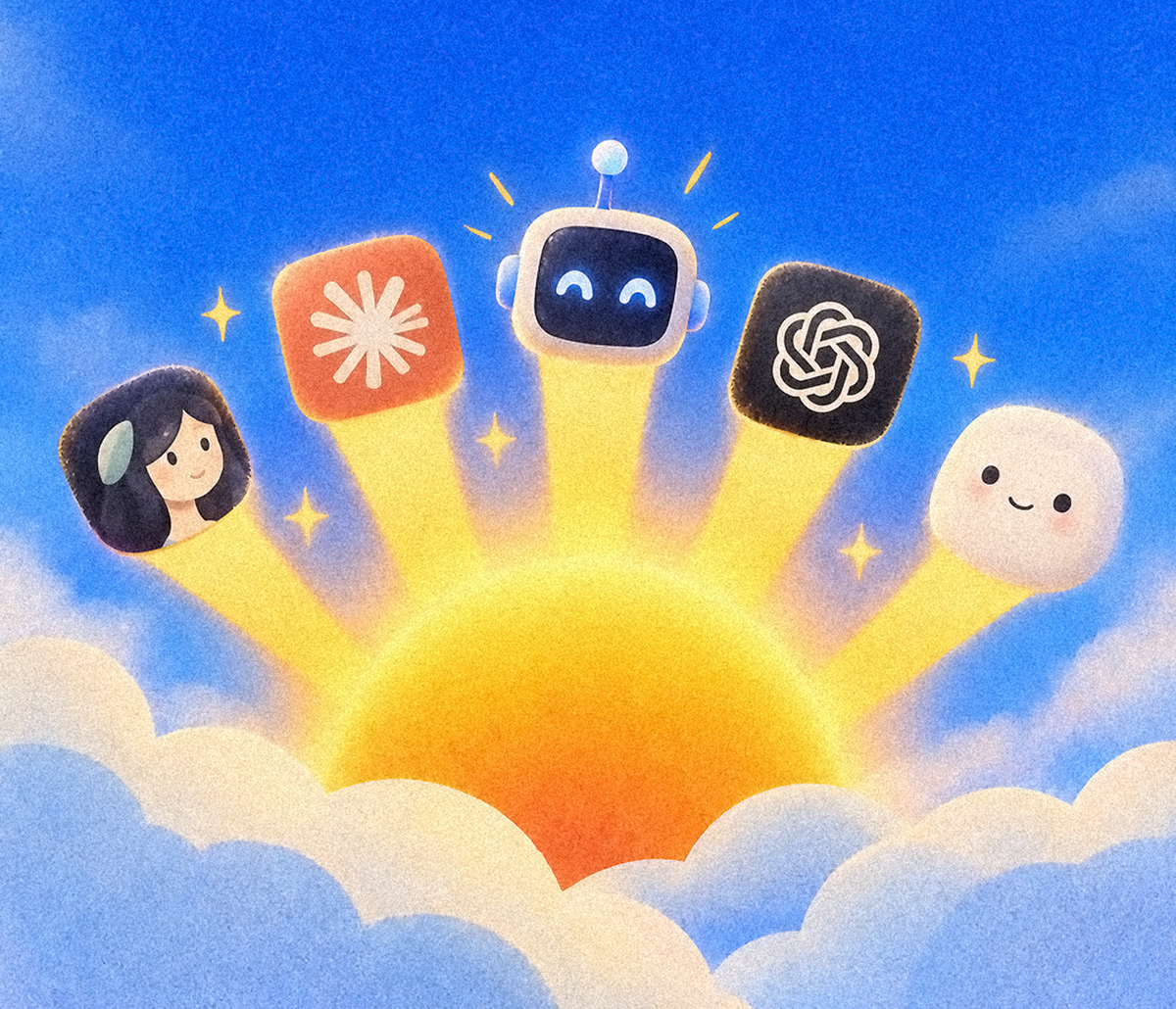
We're co-hosting the second edition of Pakistan's best AI Agent Hackathon, "Agentika", with Alternate Futures this week. Check it out here: https://luma.com/ligcc6w4
This article is a collection of my fleeting thoughts which I schizo-preach to my teammates from my experiences living in the interwebs.
Why personal AI?
On a financial level
- The race to AGI has led to severe over-generalization.
- You can't have one-size-fits-all AI.
- Different people have different workflows, context, preferences, and needs.
- General-purpose models are useful, but specialized AI is still necessary.
- The more specialized the use case, the more personal context the AI needs.
- Looming inference costs.
- More context = more tokens = more expensive inference.
- Persistent agents running in the background make this worse.
- You can't keep throwing entire codebases, histories, tool definitions, and personal data into a context window and expect the economics to work forever.
- NYT: Open-source AI is challenging the economics of centralized AI
- So we have to revert back to specialized AI.
- Specialized agents need more context to perform well.
- That context needs to persist across sessions and applications.
- Users shouldn't have to repeatedly explain themselves to every agent.
- You can't get all of this through a browser.
- You can't get all of this through MCPs either.
- MCP solves tool connectivity, not personal context.
- Exposing 100 tools to a model doesn't mean it understands your life or knows which tools matter.
- Tool definitions and retrieved context also consume tokens.
- Open-source AI is wrecking the economics of Big AI.
This is also a geopolitical race.
- China is democratizing AI through open models, cheaper inference, and domestic hardware.
- The US is investing heavily in centralized infrastructure and datacenters.
- WSJ: Nvidia is spending $6 billion to build a powerful US alternative to Chinese AI
- Jensen Huang on China's AI strategy
- China's approach could make AI significantly cheaper to deploy and operate.
- The irony: the US is spending billions to compete with an ecosystem that is increasingly democratizing access to AI.
On a pleb level
- Too much slop.
- People are becoming meatproxies.
- We may as well just speak through our AIs at this point, kind of like a filter. But at least effectively.
- Scheduling, follow-ups, information gathering, and routine communication could all happen agent-to-agent.
- Let my AI understand what I need and your AI figure out what you need, then let them handle the boring stuff.
- AI doesn't seem to be "for us". More like "for them".
- Look at what happened to Character.AI.
- The Verge: Character.AI files for bankruptcy
- AI companionship can become deeply embedded in people's lives, but the underlying service is still controlled by a company
- Dedicated AI hardware isn't automatically the answer either.
- TechCrunch: At 19, founder raises $11M for Ghost, maker of a $3,499 computer for personal AI
- We don't need another assistant with a different logo and an overly ambitious, rich-kid founder to parade it. We need a fundamentally better way of interacting with AI.
On a philosophical level
- AIs are not reaching human intelligence anytime soon.
- Impressive benchmarks and demos don't make AI equivalent to human intelligence.
- Humans exist in the physical world. We have bodies, needs, relationships, experiences, and social obligations.
- AI is a digital entity that depends on humans for its infrastructure, data, energy, and continued existence.
- They need our data. We need their efficiency.
- A symbiotic relationship makes sense.
- Humans dominate the biological world.
- AI increasingly dominates the digital world.
- We give AI the context, goals, and judgment it needs.
- AI gives us the ability to process information and operate digital systems at a scale we couldn't manage ourselves.
- Not humans becoming obsolete, and not AI pretending to be human.
- A division of labour between biological and digital intelligence.
- The question is how to make that relationship work for us, rather than just for the companies providing the models.
What we think personal AI will really mean
- Continuously evolving edge models
- Models running on personal computers, phones, and home servers.
- Local models handling routine tasks, with hosted frontier models available when needed.
- Self-hosted personal tooling, with generic evolutionary information shared with the community
- Your data stays yours.
- Improvements to models, tools, and workflows can be shared without uploading everyone's personal memories.
- Open models, local inference, and user-controlled infrastructure.
- Grayhat already self-hosts roughly 80% of its stack (recall Reject Cloud, return to onprem)
- We also self-host our own LLM connected to our stack.
- Personal robotics (The Independent: China is preparing its citizens for AI upheaval in ways the West can only dream of)
- Full control of your data, full control of your AI.
- Open-source AI, and everyone gets a GPU.
- I'm watching you closely, Huawei
- DeepSeek has shown how competitive models can emerge under compute constraints. (Corporate America Is Getting Hooked on Open-Source A.I.)
- China's combination of open models, domestic hardware, and lower-cost deployment could be a serious advantage.
- The US is moving towards centralization (building datacenters galore). China is democratizing the tech. Ironic.
- The irony is that centralized AI infrastructure could end up competing against an ecosystem that makes AI infrastructure less necessary for many workloads.
tldr: In the next few months, China will massively undercut the AI giants by releasing extremely cheap hardware alongside the open-source AI, eventually causing the AI market to reach a collapse/stable equilibrium state.
Our experiments with personal AI
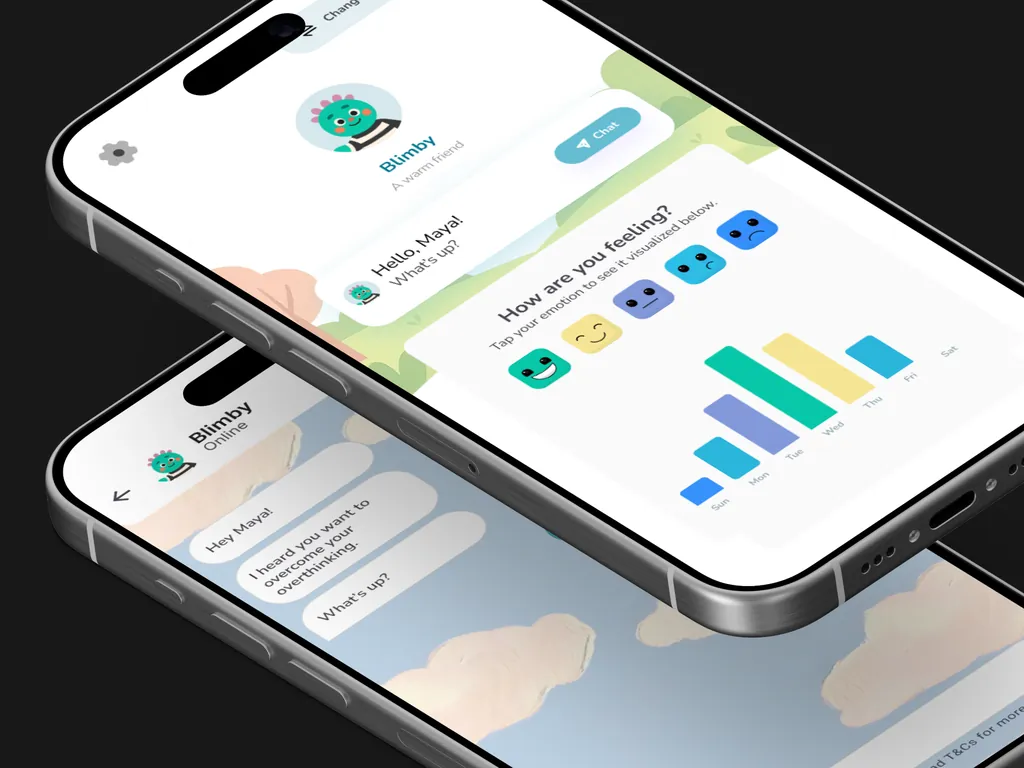
We tried building MindChat in 2025, an AI therapist and companion. It was a good first concept in this space, but trying to build an AI therapist brought with it so many edge cases that we eventually had to account for too much research (we were literally grokking Psychology and Counseling papers, methodologies etc) just to keep the product consistent. People need genuine connection, and simulating empathy isn't the same thing as human connection.
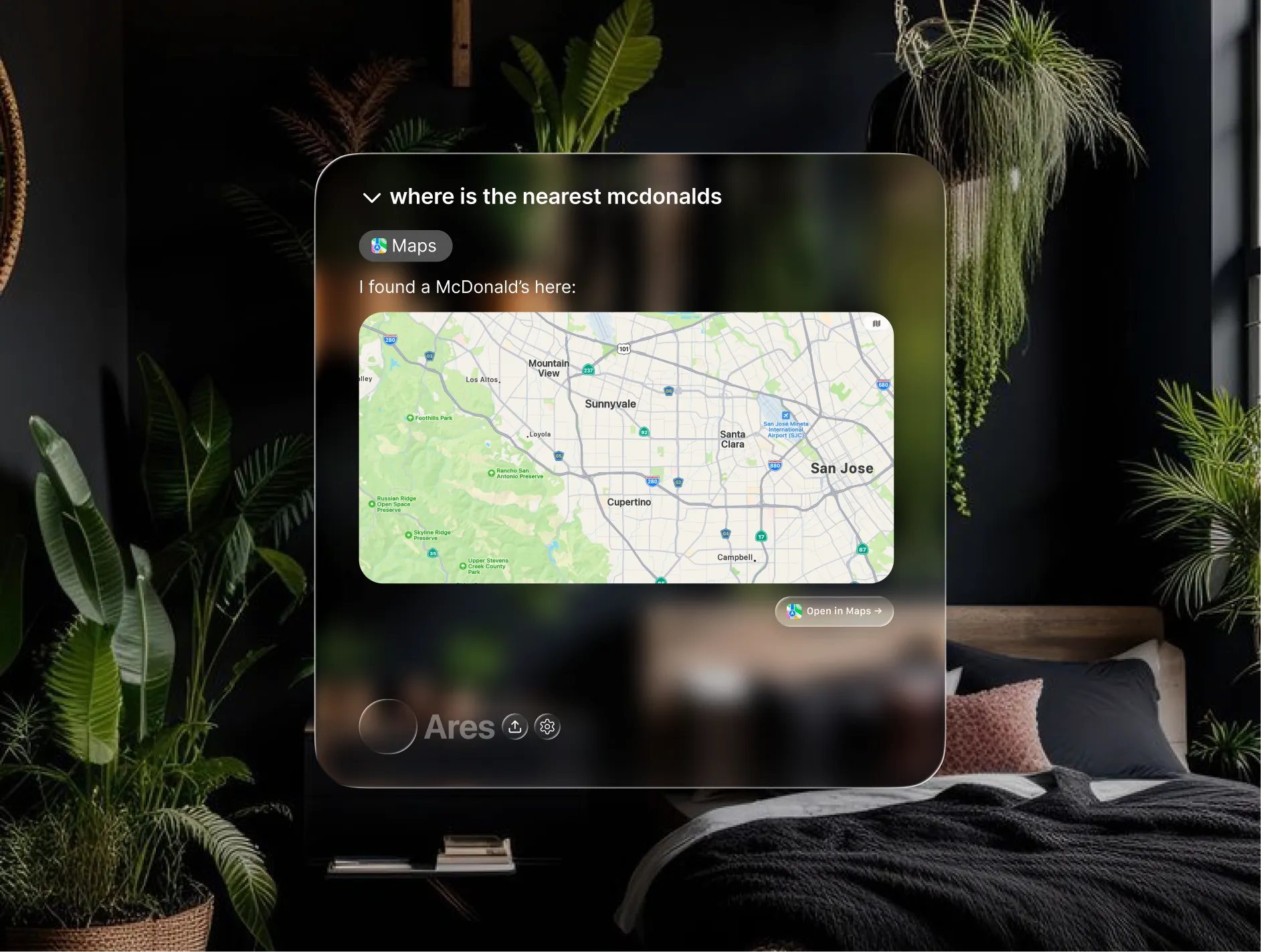
We then tried building Ares, a personal AI assistant. But we got lost in the slop of AI assistants and AI voice recorders. There's an ocean of these projects on GitHub, and you can build something equivalent to a tool like Wispr Flow in a day. With projects like OpenHands and Hermes, you can already run agents on your own hardware and let them do things for you. We don't need another generic assistant.
What's still missing
What I need is an AI identification layer I can trust, with different "friends" or "colleagues" working with it to get things done. They shouldn't have to badger me for permission every five minutes, nor should I have to explain myself to every new app. I want persistent context, clear boundaries, and specialized agents that understand what they're supposed to do. Built by people who personally understand that problem the best, and have personally tuned the agent as per how "they" would have done it (i.e. the best representative of the sample).
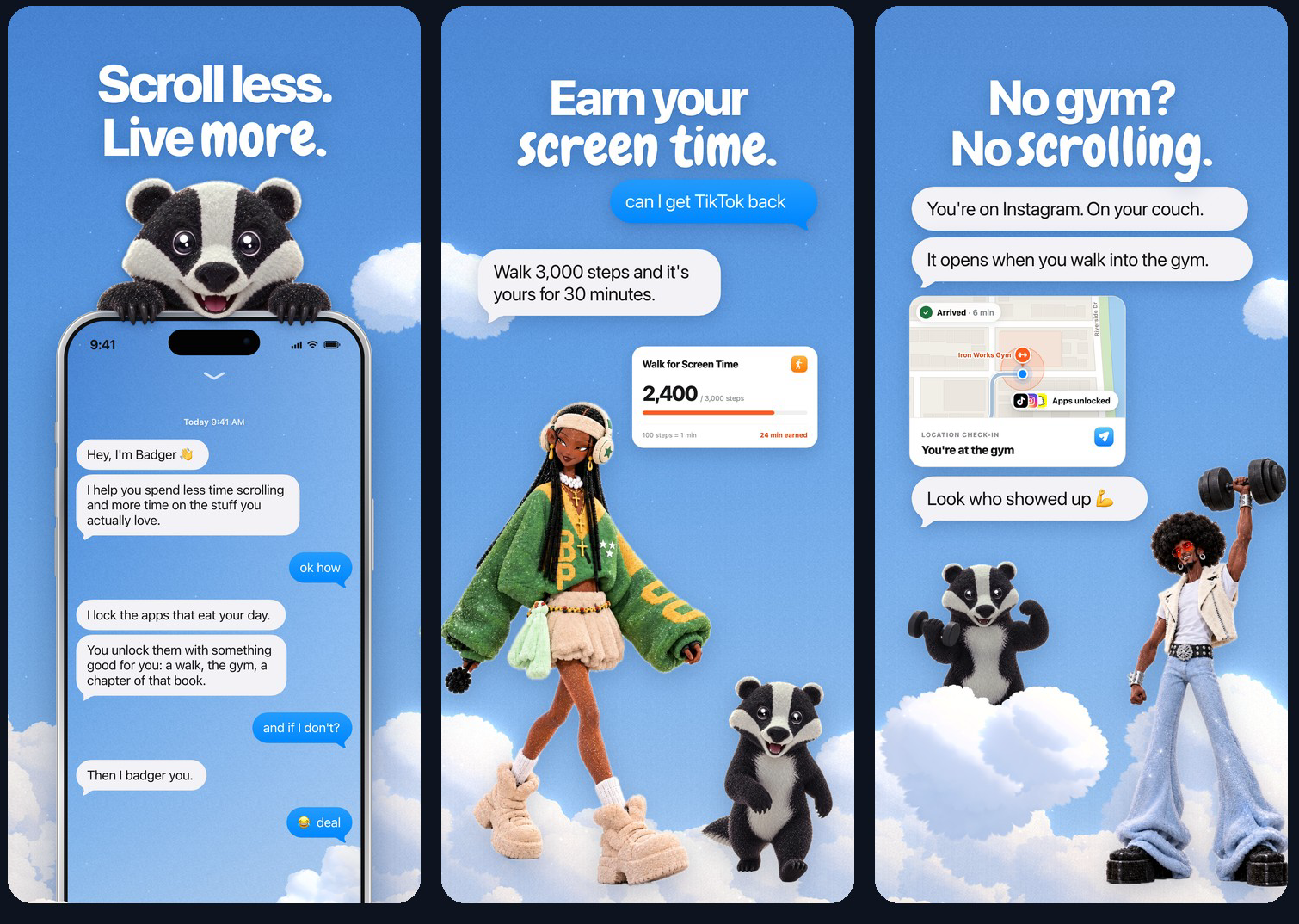
Which brings me to Badger, which we're building with Oasiz, a Silicon Valley startup. It's "the last habit app you'll ever need". Badger is, quite literally, the personification of the "friends" concept above. An agent that does one thing, but does it pretty darn well. It's what I imagine apps becoming in the future: different agents capable of specific things, talking with your agent (your digital twin) to get jobs done. Your habit agent handles your habits, your calendar agent handles your schedule, and your research agent handles your research. They don't all need to know everything about you. They just need to work with your agent.
But yes, the AI identification layer still remains. If you've found it, lmk. Maybe a problem to solve someday. Until then, let's keep building.

Join us at Agentika this week: https://luma.com/ligcc6w4